

Eyn'ek'ey (Эйн'эк'эй) Ethno-Ecological Club
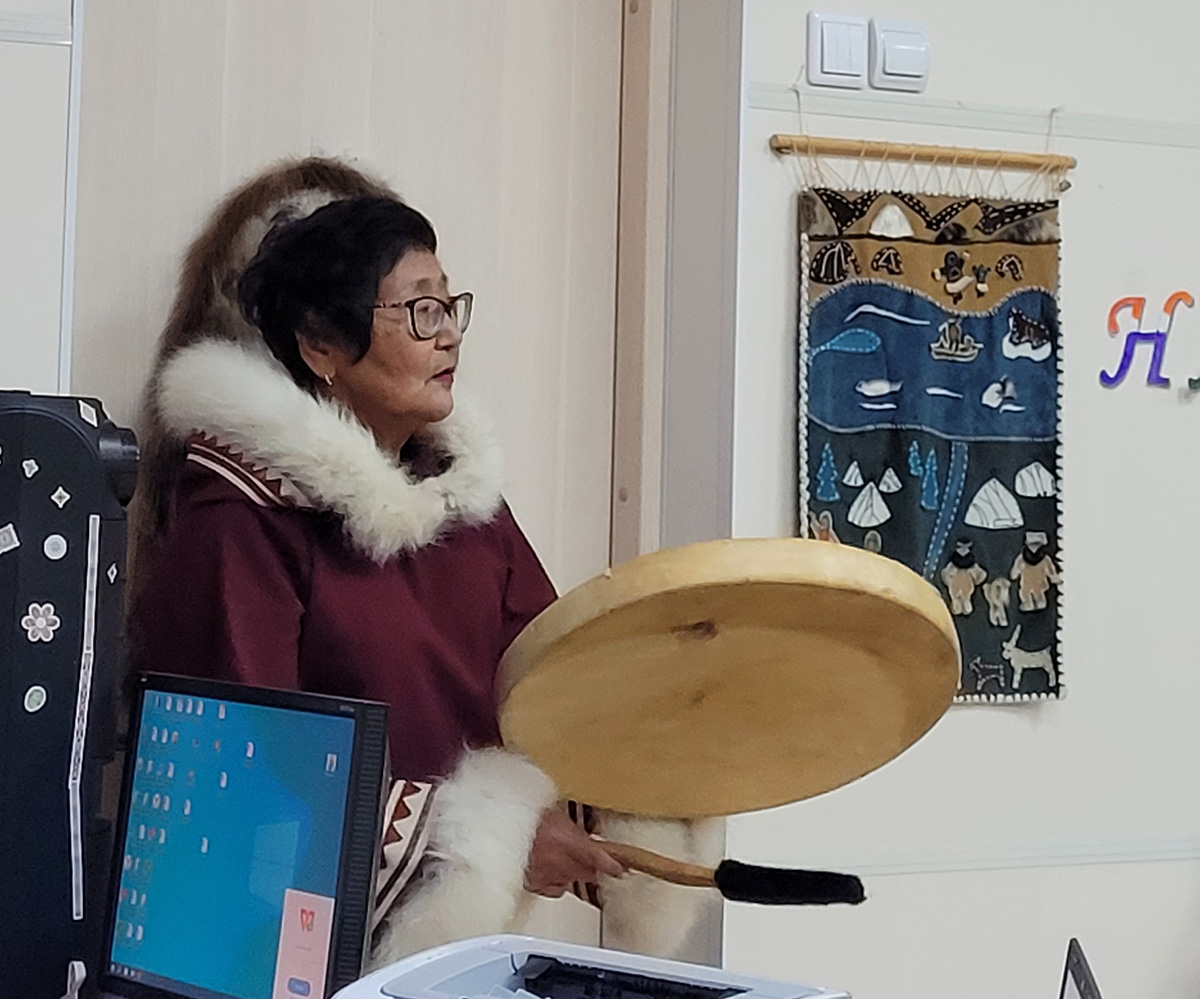
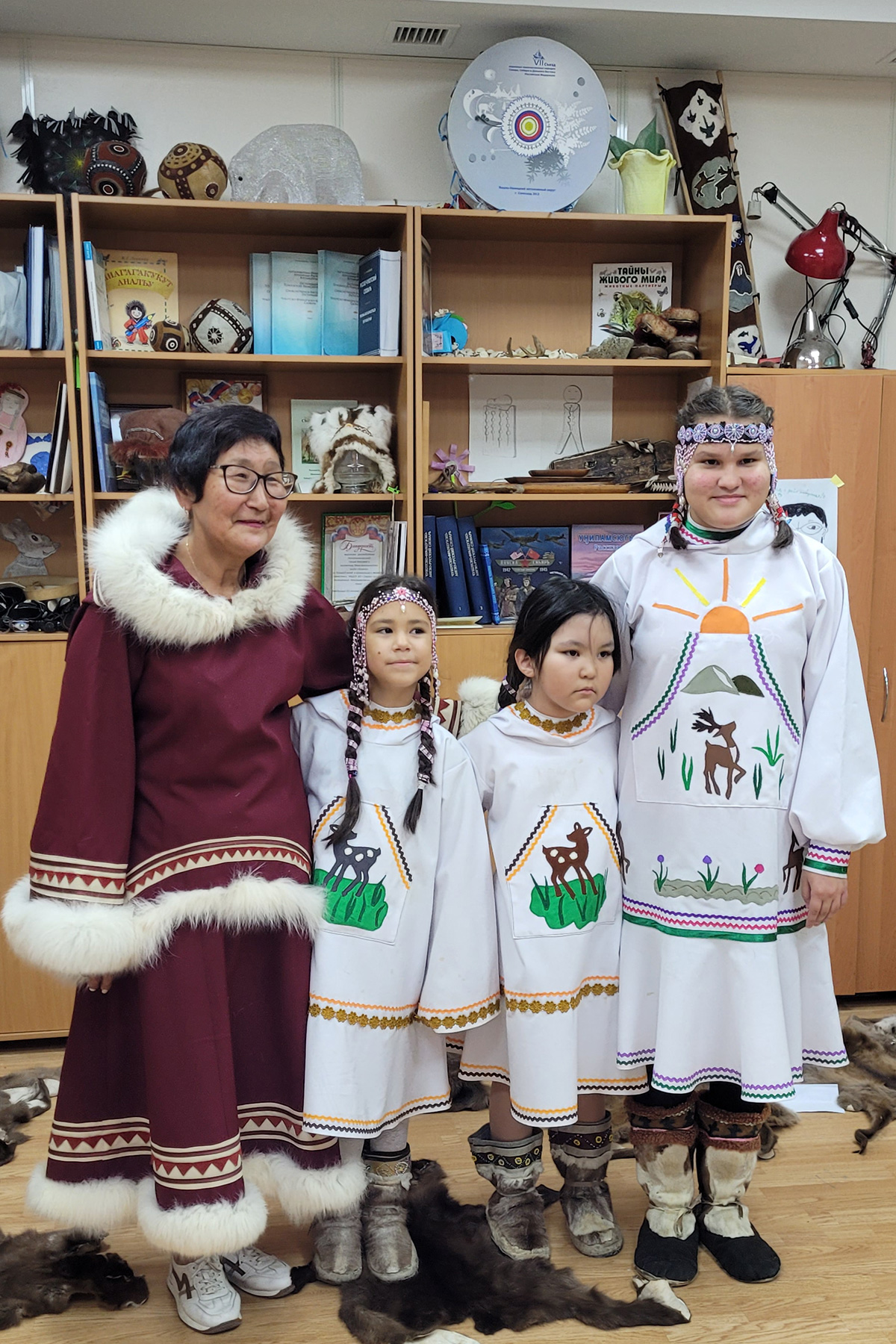
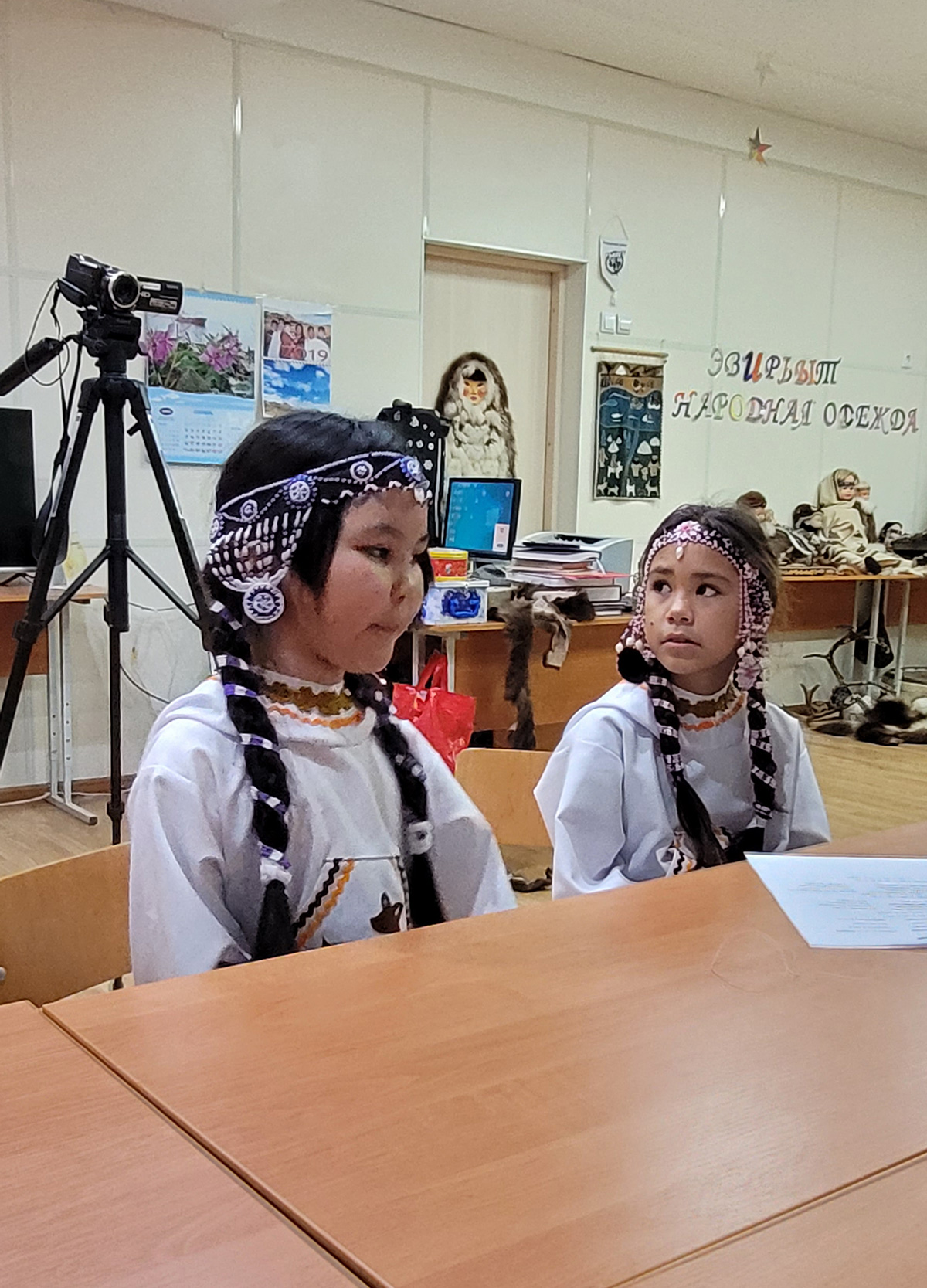
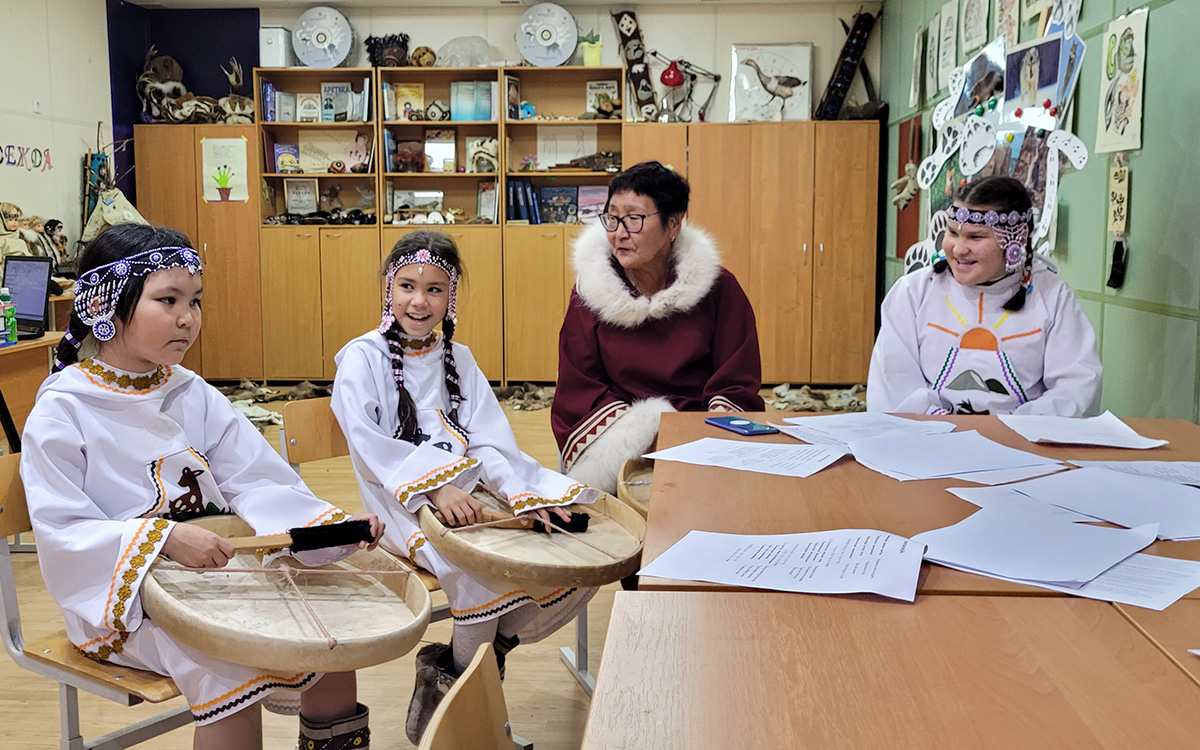
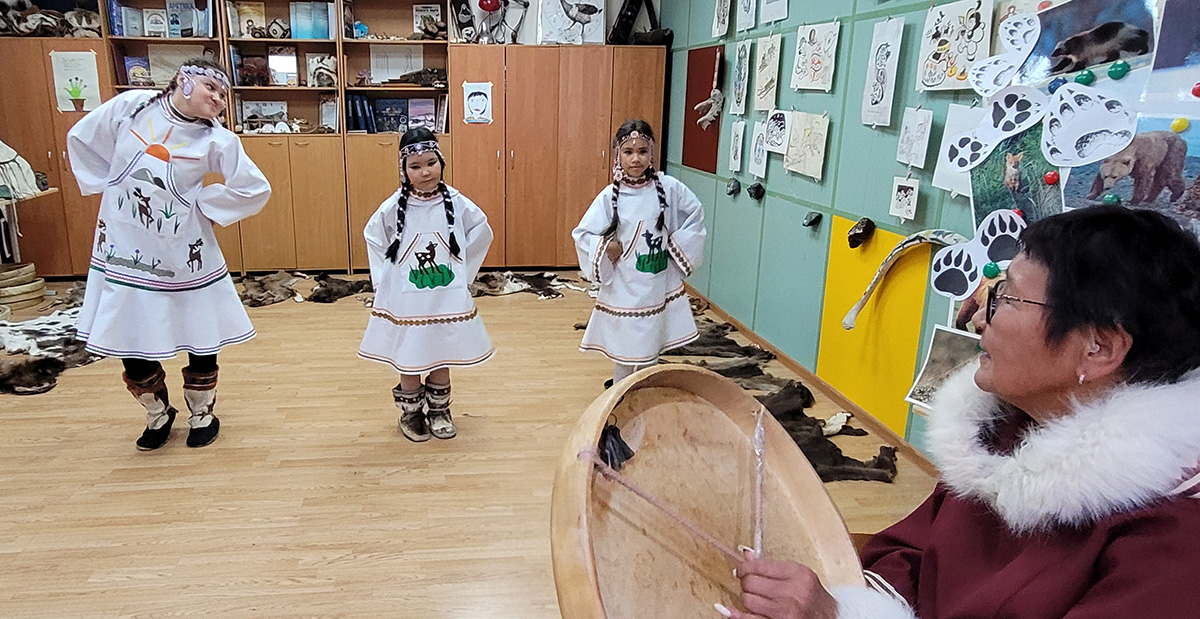
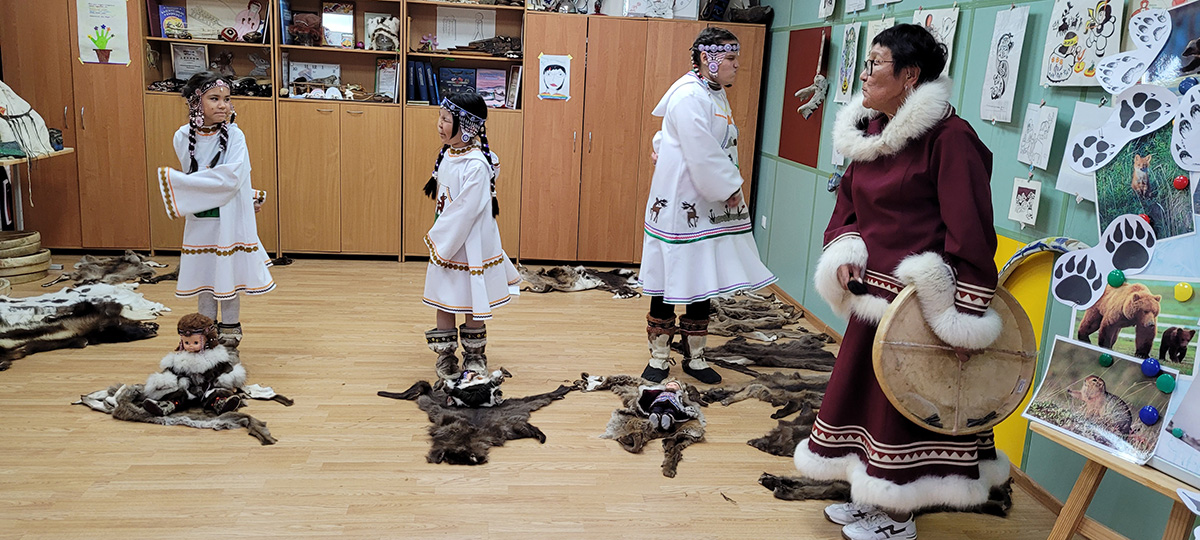
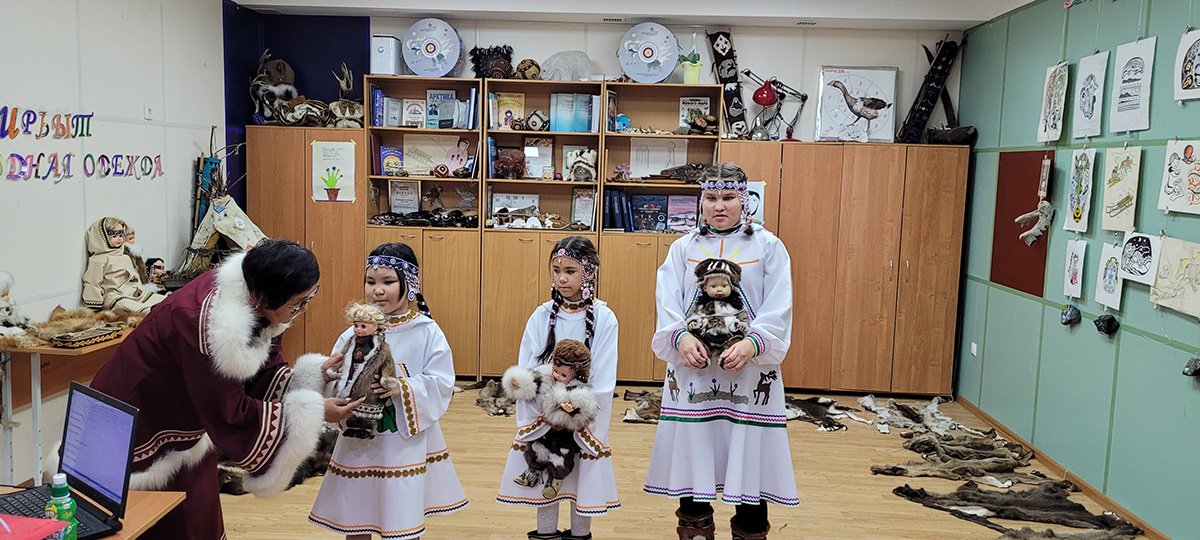
Over the years, the club has become a center for the development of traditional culture, a place of warm meetings and communication between residents of Anadyr. A lot of work is underway to preserve, popularize and revive the rich heritage of the ancestors of the Chukchi people.
A special feature of the Eyn'ek'ey team is the practical and independent activity of the students, especially in the third year of study, which allows each of them to feel their strengths, find their "niche", develop intuition and imagination, solve new research problems and form the main skill – the ability to learn. And all this is combined with theoretical and practical ecological and biological activities with rest and wellness throughout the year–round cycle. It focuses not only on memorizing information, but also on actively participating in the process of acquiring it.
The additional educational program includes sections related to the regional component, namely:
- Folk philosophy is the study and acquisition of practical skills in conducting traditional calendar holidays of Chukotka, folk games, medicine and cooking;
- Ethnic history is the study of one's native land and the ability to use skills in compiling one's family tree; material culture is the study of theoretical knowledge in housing and everyday life, folk costume, toys and the ability of practical skills (installation and dismantling of traditional housing – yaranga);
- Mother tongue – learning the Chukchi language, the ability to pronounce and apply spoken words in everyday life, on mass traditional calendar holidays of Chukotka;
- Folk art is the study and application of practical skills in distinguishing the traditional dress, jewelry, souvenirs, household items and toys of the northern people;
- Oral folk art is the study of folk tales, songs (ritual, lullaby and personal), tongue twisters, proverbs, nursery rhymes and the application of their knowledge at events, contests, quizzes.;
- General tourist training is the study of general safety regulations for the protection of flora and fauna and the application of skills and abilities in overcoming the simplest natural obstacles, in temporary parking lots and organizing practical work;
- Local history and educational research work - the study of the peculiarities of the flora and fauna of Chukotka in connection with its geographical location and the ability to present in defense in the form of abstracts, contests, projects;
- Field practice: the assimilation of educational material using verbal, visual demonstration, and practical methods.
Thematic planning of subjects offers a logical sequence of studying the material from simple to complex. Some topics provide for a return to the material covered, including as an update of basic knowledge during further study of the topic material at a higher level. In addition to using the learning material in the form of classes, most of the material is studied in practical classes, which implies better assimilation of the learning material using verbal, visual demonstration, and practical methods.
Teacher and head of the ethno-ecological club is Galina Ivanovna Notatynagirgina. She grew up in the tundra, on shores of the Anadyr Bay, in a village called the Russian Cat. Her family called her Omrytval, which means "becoming strong" in Chukchi, and her parents named her so that the girl would grow up strong and healthy.
After graduating from Anadyr secondary School, Galina went to work in a reindeer herding team. She worked in a fur-sewing workshop, where she sewed clothes for reindeer herding teams. She was nominated several times as a deputy of the Anadyr district convocation, worked as chairman of the village council, head of the village administration. She devoted her life to actively promoting traditional culture, primarily among the younger generation.
In 2000, she graduated from the A.I. Herzen Russian State University with a degree in cultural studies. Since 2001, Galina Ivanovna has been working at the Chukotka Regional Palace of Children's and Youth Creativity, where children and adults study the traditions, language, culture and way of life of their people. Here, children participate in ritual celebrations, travel to the tundra, learn how to set up a yaranga, collect wild plants, fish, cook traditional food, and get acquainted with medicinal plants. Invited experts in language, culture and traditional crafts, veterans of reindeer husbandry, yaranga mistresses, fishermen of the Tavayvaam tundra help in this.
For many years of conscientious work, she was awarded diplomas and commendations of various levels, including the honorary diploma of the Ministry of Education of the Russian Federation, the honorary diploma of the Head of the Municipal District Administration. She holds the honorary title of "Keeper of Traditions" for her great contribution to the preservation and development of folk traditions of the Chukotka Autonomous Okrug, the title of veteran of labor of the ChAO, veteran of labor of the Russian Federation.
The information is from the educational portal "Nika", and from the website https://www.narodychukotki.ru/
и с сайта https://www.narodychukotki.ru/
Photo and video of UNESCO NEFU Chair.