Арктика и Коренные народы
Коренные народы России

Alyutors

Alyutors

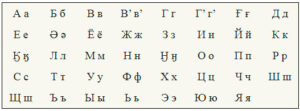
Alutor language

The term «Alutor language» appeared relatively recently (Skorik 1958, 1968); prior to this, Alutor was considered a dialect of the Koryak language in literature. The term itself originates from the name of the former village of Alyut (Russian: Olyutorskoye, Olyutorka), whose inhabitants were called Alutors – Alyut-l'y-n or Elyut-l'y-n.
Читать далее →

Alyutor applied art

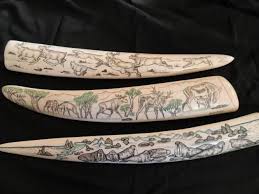
The Alutor people had a developed art of carving and engraving walrus ivory, borrowed from the Eskimos. From walrus ivory and mountain sheep horn, the Alutors fashioned ornamented pipes, spoons, ladles, and toys.

Читать далее →

Alyutor clothing

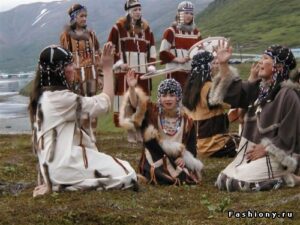
The primary form of clothing worn by the Alutor people in the 19th and early 20th centuries was the 'kukhlyanka' (a type of coat) made from reindeer hides, fur trousers made from sealskins, a Malakhai fur hat, and valenki (felt boots).

Читать далее →

Alyutor traditional farm

The Alutors can be very provisionally divided by occupation into two groups: sedentary (coastal) and nomadic (reindeer herding). As a result of exchange, both groups were traditionally provided with the necessary components of their diet and tool production.

Читать далее →

Allutor transport

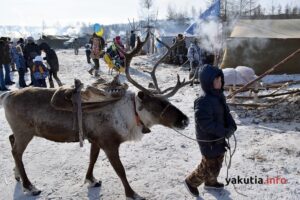
On land, the Aliutori moved by sledge, harnessed with dogs or reindeer. For walking on snow and ice, snowshoes were used. For water travel, the Aliutori used multi-seater skin kayaks and hollowed-out dugout canoes called 'baty'.

Читать далее →

Alutor food

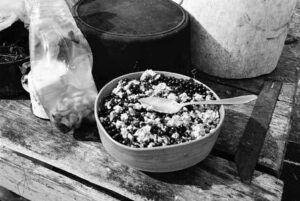
The traditional food of the Aliutori people, 'tolkusha', was prepared in a special wooden trough. Dried meat and roots were pounded with a pestle, with fat and berries added until a thick, viscous mass was formed.

Читать далее →
Фото с сайта https://travelask.ru/articles/aleuty-muzhestvennyy-narod-alyaski

Alyutor dwelling

The settlements of the Aliutors were usually located in elevated areas. Until the 19th century, the only type of dwelling was a semi-subterranean hut, consisting of a base with vertical walls in an octagonal shape, a domed roof in the form of a truncated cone, and an external shield-barrier resembling a huge funnel.

Читать далее →
Scroll to Top