Ulchys – один из восьми коренных малочисленных народов Севера, проживающих на территории Хабаровского края. Самоназвание: «мангуны» – «амурские люди» (ст. название), «нани» – «здешние жители». Название «ульчи» появилось в 30-е годы прошлого века. 2375 чел. численность ульчей в Хабаровском крае согласно Всероссийской переписи населения 2020 года
Geography of residence
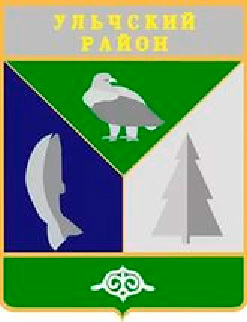
Ульчи в основном проживают в Ульчском муниципальном районе расположенном в центрально-восточной части Хабаровского края. Территория района занимает огромную площадь в 39 310 км². На юге Ульчский район граничит с Ванинским и Комсомольским муниципальными районами, на северо-западе — с районом имени Полины Осипенко, на севере — с Николаевским районом. На востоке омывается водами Татарского пролива. Административный центр — сельское поселение «Село Богородское».
Brief historical background
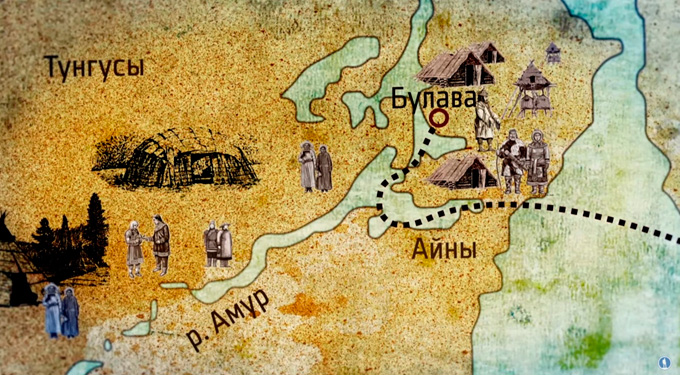
Археологи отмечают большое сходство культур современных ульчей и древних племён, обитавших в мезолите на территории Нижнего Амура. На нынешнем этносе ульчей сказалось также влияние тунгусов, тюркоязычных и монголоязычных народов, пришедших сюда с Запада и с Севера.
Русские на Амуре называли ульчей и нанайцев гольдами. Так же именовали они себя в общении с русскими. В начале 30-х гг. XX века, когда решался вопрос о наименовании народов Севера на основе их самоназваний, для бывших мангунов, называвших себя нани, был принят этноним ульчи, поскольку по самоназванию нани были названы нанайцы. Со временем этноним ульчи стал самоназванием народа.
Первые известия русских об ульчах относятся к XVII веку. В «отписках» русских казаков-землепроходцев они зафиксированы под именем нгатки и лонки. Последний этноним, как выяснилось позднее, был названием одного из ульчских родов.
После Нерчинского договора с цинским Китаем (1689), когда русские ушли из Приамурья, правительство Китая пыталось подчинить себе амурские народы, но результатов это не принесло.
Китайские чиновники раз в год появлялись на Амуре для сбора ясака (один соболь с охотника), который местное население рассматривало лишь как плату за право торговли. Ульчи сбывали в Китай пушнину, получая в обмен необходимые им товары и продукты. Этот торговый обмен играл важную роль в жизни местного населения.
Возвращение Приамурья в состав российского государства в середине XIX века сделал ульчей подданными России. Начинается активная колонизация бассейна Амура русскими казаками и крестьянами-переселенцами. На территории расселения ульчей возникают русские села Богородское, Михайловское, Иркутское.
Контакты с русским земледельческим населением оказали большое влияние на культуру, экономику, социальное развитие ульчей. Их хозяйство активно вовлекается в сферу рыночных отношений.
Language and division into ethnographic groups
Ульчский язык – язык южной (приамурской) группы тунгусо-маньчжурских языков, близкородственный нанайскому и орокскому. По мнению специалистов, этническая основа ульчей и нанайцев исторически общая. В 30-е гг. прошлого века ульчский язык считался диалектом нанайского. В формировании этноса принимали участие амурские эвенки, негидальцы, орочи, ороки, нивхи, айны, маньчжуры-китайцы. В прошлом веке сильное влияние оказал русский язык.
В антропологическом отношении ульчи относятся к двум разным типам — наиболее древнему амуро-сахалинскому и более позднему — байкальскому. О неоднородности антропологического типа ульчей, как и некоторых других народов Амура (нивхи, орочи), свидетельствуют исследования различных антропологов. По мнению исследователя В. Цинциус, ульчский, нанайский и орокский языки возникли не менее чем 2 тыс. лет назад, а в современном ульчском языке присутствуют реликты древних алтайских языков.